[ad_1]
At 4 am on Tuesday, when the city that never sleeps was still in a lull, Anant Ambani stood before the 14-foot idol of Ganesha known as Lalbaugcha Raja (King of Lalbaug), who has ruled over the faith of crores for the past 92 years. Eyes shut, lips murmuring a silent prayer, Ambani was one among the countless who have stood in that same spot — hoping, pleading, or simply surrendering to the belief that the Raja listens.
For Mumbai, Lalbaugcha Raja is not just a deity. He is history, memory, and continuity rolled into one. The origins of Lalbaug Ganesha trace back to 1932, when the stench of Peru Chawl’s fish market led the residents to force its closure. The displaced vendors turned to Ganesha, vowing to establish his idol if they were granted a new space to earn a living. Their prayers were answered, and in 1934 the first Lalbaugcha Raja was installed. Faith, then, was tied to survival.
Mumbai mills and mafia
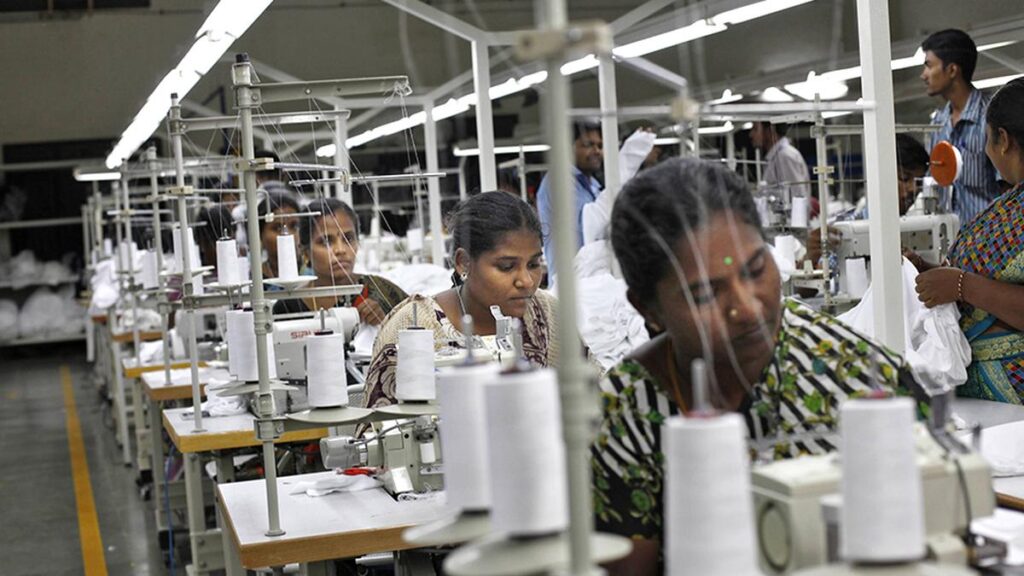
As Mumbai grew into the textile hub of India, Girangaon’s (village of mills) mills drew waves of migrants who filled the chawls of Lalbaug. The mills stitched prosperity, but also hardship. When the great strike of 1982 crippled the industry, over two lakh workers lost their livelihoods. Many fell into the shadows of the city’s underworld, while Lalbaug itself slipped into decline. Yet, through riots, gang wars, and economic collapse, the Raja remained the one constant. “The city has seen much — especially the 1992 riots that tore its fabric — but Lalbaugcha Raja has never stopped blessing us,” recalls TD Patil, an octogenarian resident.
If Mumbai’s past has been turbulent, its devotion to the Raja has only grown more unshakable. Every year, celebrities and politicians — from Amitabh Bachchan to Union Home Minister Amit Shah — line up beside ordinary devotees. In 2024, Anant Ambani was appointed honorary advisory board member of the Lalbaugcha Raja Sarvajanik Ganeshotsav Mandal. He donated a 20-kg gold crown worth ₹16 crore, and this year sponsored the 50-foot pandal, its cooling systems, and ornate decorations.
The thread
The faith can also be measured in the staggering numbers. Last year alone, the Raja received ₹5.6 crore in cash donations, over 4 kg of gold, and more than 64 kg of silver. On average, 1.5 million devotees throng daily during the 11-day festival, making it one of the largest religious gatherings in India.
But beneath the gold crowns and glittering backdrops lies something deeper. Lalbaugcha Raja embodies the story of Mumbai itself — a city that has risen from fisherfolk huts and textile mills to skyscrapers and stock exchanges. Its present glimmers with wealth, yet haunted by old scars of strikes and riots. Through it all, the Raja endures, a reminder that amid collapse and chaos, faith is often the only thread that binds the city together.
Hope Prevails
“I am in my 80s now, but I know Lalbaugcha Raja will never stop answering my prayers,” says Vishwas Narkar, who has visited the idol every year since childhood.
And perhaps that is the real story: in a city forever in flux, Lalbaugcha Raja stands as the one unmoving truth — majestic, enduring, and eternal.
Published on September 3, 2025
[ad_2]
Source link