[ad_1]
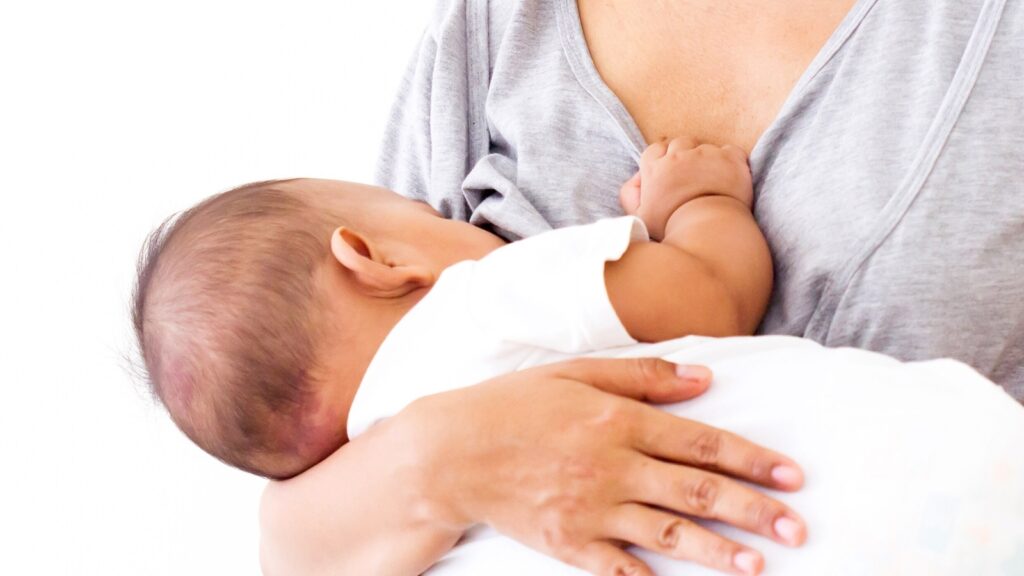
In India’s villages, breastfeeding is widely practised. But sustaining it exclusively for six months, as recommended by the WHO, remains a challenge for many new mothers. Despite high initiation rates, a combination of social pressures, myths and misinformation, food insecurity, physical strain, and lack of support often leads to early cessation. This gap isn’t due to unwillingness. It’s the result of an ecosystem that doesn’t adequately support women through the most crucial stages of infant care.

This year’s World Breastfeeding Week theme Prioritise Breastfeeding: Create Sustainable Support Systems underscores a reality that is especially urgent in rural India. While most mothers begin breastfeeding, many are told within weeks that their milk isn’t enough, or they’re pushed toward formula feeding. Others return to agricultural or household work soon after delivery, without the rest, nutrition, or community help required to continue breastfeeding.
The consequences are serious. Malnutrition remains a persistent and widespread problem in rural India. According to UNICEF, 60% of under-five child deaths are linked directly or indirectly to malnutrition, and two-thirds of these are tied to inappropriate feeding practices during the first year of life. Poor breastfeeding and complementary feeding not only affect child survival, but also impair long-term cognitive development and economic productivity.
This makes exclusive breastfeeding one of the most accessible, low-cost interventions to tackle childhood malnutrition. But for it to succeed, mothers need more than just awareness. They need systems that offer hands-on support. That’s where frontline health workers like ASHAs, ANMs, and village-based sakhis can play a transformative role.
Trained community health workers are often the only link between mothers and the health care system. They can offer culturally sensitive counselling and guidance on breastfeeding techniques, support mothers through challenges like latching or low milk supply, and help dispel dangerous myths. Equally important, they can bring husbands, mothers-in-law, and extended families into the conversation ensuring a woman isn’t alone in the effort to nourish her child.
Incorporating breastfeeding promotion into antenatal (ANC) and postnatal care (PNC) services is key. Targeted education for young couples on maternal nutrition, early initiation of breastfeeding, exclusive breastfeeding, and complementary feeding practices can help new parents make informed choices. Practical guidance on expressing milk, spoon feeding (vati), nipple care, and avoiding the bottle use gives mothers the tools they need to overcome early hurdles.
Further, linking families to maternal benefit schemes which incentivise childbirth milestones and child nutrition can help offset income loss and support healthy practices. Home visits allow workers to track infant growth, manage diarrhoea cases, and offer care advice to secondary caregivers as well.
Government efforts like the MAA (Mother’s Absolute Affection) program provide a national framework for breastfeeding promotion but they must be localised and expanded. Grassroots outreach can make MAA truly impactful by ensuring every rural mother receives relevant, timely support.
Breastfeeding is one of the simplest, most effective ways to give children a healthy start. But its success hinges on how well we support the mother. In rural India, creating sustainable, community-based systems is not just important, it’s essential to breaking the cycle of malnutrition and helping future generations thrive. Let’s make breastfeeding a shared responsibility, not just a maternal one.
This article is authored by Chandrakant Kumbhani, COO, community development, Ambuja Foundation.
[ad_2]
Source link