[ad_1]
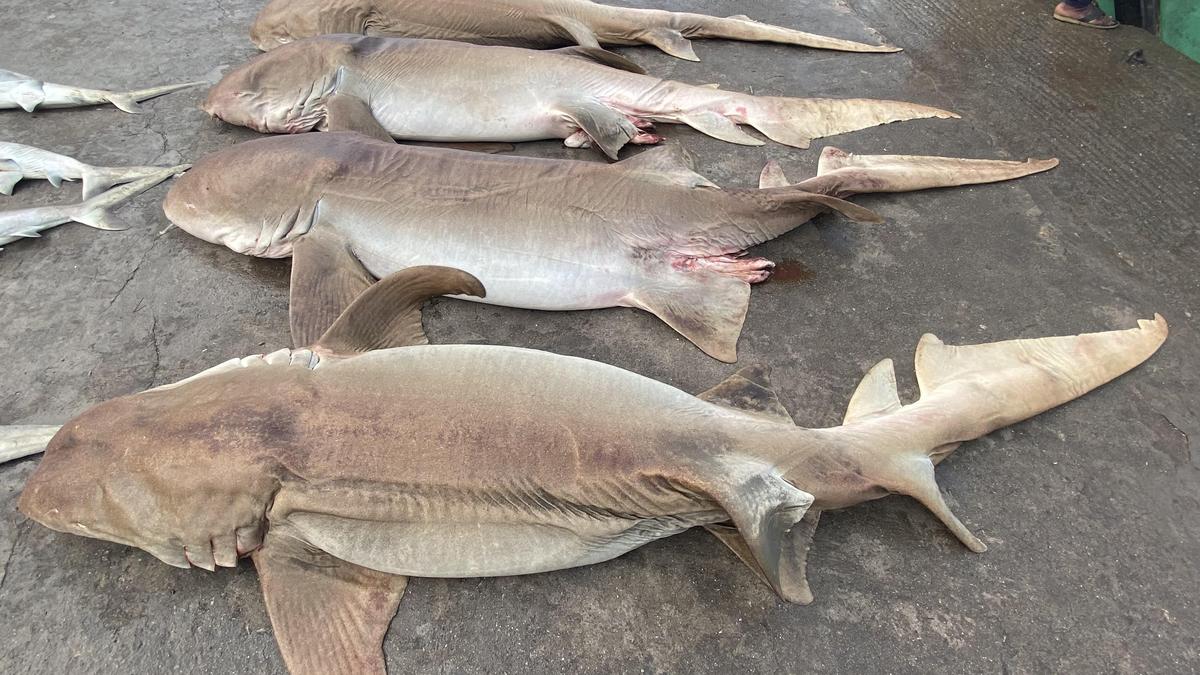
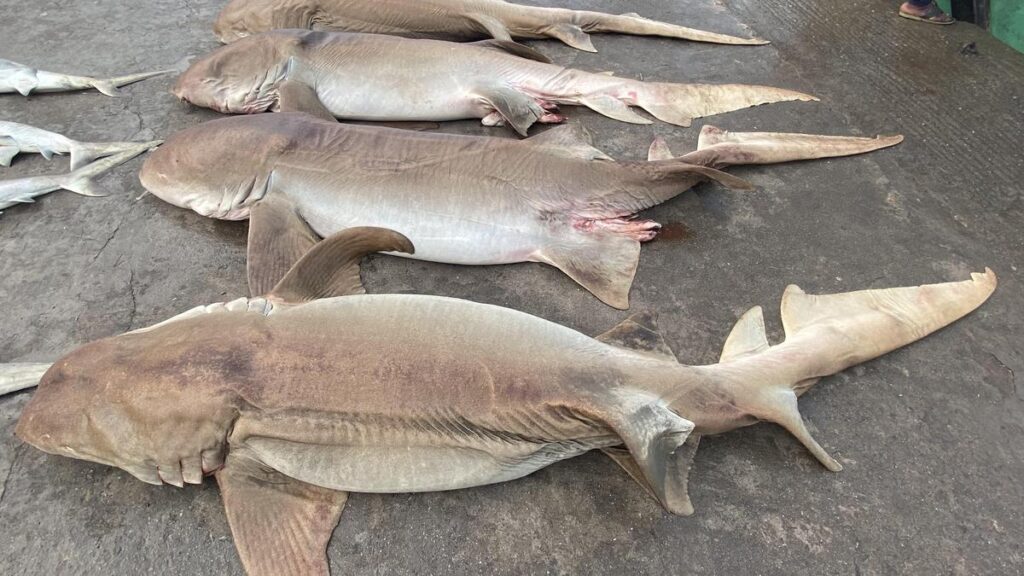
At a workshop organised by ICAR-CMFRI, speakers stressed that frontline personnel must be trained to identify protected shark species, especially under India’s expanded Wildlife Protection Act and CITES obligations.
Coordinated action and increased awareness are critical to monitor and tackle illegal shark fishing and trade, according to marine experts involved in fisheries management, trade regulation, biodiversity conservation, and enforcement.
They were speaking at an interactive workshop and panel discussion organised by ICAR-Central Marine Fisheries Research Institute (CMFRI) on Monday. The meeting highlighted the importance of collaboration among various agencies to ensure the conservation of protected species in the wake of India’s recent expansion of the list of sharks and rays protected under the Wildlife (Protection) Act 1972.
The experts felt the need to identify gaps in monitoring and enforcement. Habitat mapping, public awareness campaigns, gear modification, demarcation of conserved areas, AI-supported shark recognition devices, and an identification manual were proposed in the workshop. Shark fins in frozen form may often be difficult to identify by enforcement agencies, requiring a strengthened collective capacity among all agencies involved in fisheries management, trade regulation, biodiversity conservation, and enforcement, it observed.
Conservation, enforcement sync
Inaugurating the workshop, CGST & Customs Chief Commissioner Shaik Khader Rahman said joint training exercises and a real-time communication channel among customs, fisheries officers, coastal police, researchers and forest and wildlife departments are essential to enhance enforcement. There is a need to forge lasting understanding and actionable strategies between conservation and enforcement.
Protected sharks are often caught illegally, with their fins smuggled into international markets due to high demand, particularly in East Asia. The amended Wildlife (Protection) Act 1972 now gives the highest level of protection to 26 shark and ray species. In a landscape where illegal wildlife trade adapts quickly, enforcement should be enhanced with better training and closer coordination. Collaborating with CMFRI and other experts to train front-line personnel in recognising CITES (Convention on International Trade in Endangered Species of Wild Fauna and Flora) listed elasmobranchs – whether in dried fin form, processed cartilage, or even whole preserved specimens, Rahman said.
Regulations
Fishing pressure and unregulated trade, together with other natural and anthropogenic factors like pollution and climate change, have placed many shark species under threat of extinction, said CMFRI Director Grinson George.
Over 40 elasmobranch species are now listed under CITES. This means that any trade involving these species must be accompanied by permits ensuring that their extraction from the wild is sustainable and not detrimental to their survival, he said
Marine scientists cautioned that while implementing stricter conservation measures, the livelihoods of fishermen must also be considered. Shark fishing is a primary source of income for many Indian fishing families, and enforcement should not disrupt legitimate fishing activities, said Shoba Joe Kizhakudan, Head of Finfish Fisheries Division of CMFRI.
Published on July 14, 2025
[ad_2]
Source link