[ad_1]
The rapid evolution of technology has transformed many aspects of our lives, and photography is no exception. From the early days of film cameras to the sophisticated digital single-lens reflex (DSLR) cameras, the landscape of photography has undergone significant changes. However, perhaps the most groundbreaking shift has come with the advent of smartphones, which have democratized photography and made it more accessible than ever. This article explores the journey from DSLR to smartphone photography and the implications of this evolution.
The Dominance of DSLRs
For decades, DSLR cameras reigned supreme in the world of photography. With their ability to capture high-resolution images, interchangeable lenses, and manual controls, they were the preferred choice for professional photographers and enthusiasts alike. DSLRs offered unparalleled image quality and creative flexibility, paving the way for some truly extraordinary visual storytelling.
However, they also came with challenges. DSLRs are often bulky, expensive, and require a certain level of skill to operate effectively. As a result, many casual photographers found the barrier to entry daunting, leading to a gap between those who could afford and master these devices and those who couldn’t.
The Rise of Smartphones
The introduction of the first iPhone in 2007 marked a turning point. While early smartphone cameras were rudimentary at best, the technological advancements that followed rapidly transformed them into serious contenders in the photography arena. Each new smartphone iteration brought improvements in camera technology, from increased megapixels to better sensors and improved optics.
Key Innovations in Smartphone Photography
-
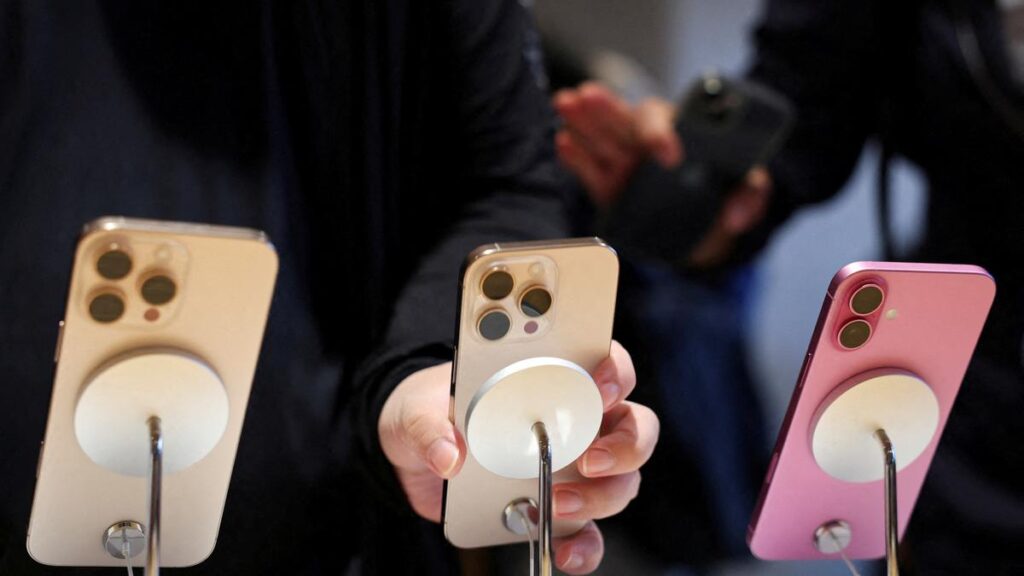
Camera Quality: Modern smartphones feature multi-lens setups capable of capturing wide-angle, macro, and portrait shots. The quality of images produced by these handheld devices rivals that of DSLRs, thanks to advanced optics and software.
-
Software and AI: Computational photography has changed the game. Smartphones use algorithms to enhance pictures in real-time, offering features like night mode, HDR, and portrait effects that were once the domain of professional editing software. This makes photography accessible and enjoyable for casual users.
-
User-Friendly Interfaces: With intuitive interfaces and automatic settings, smartphones empower anyone to take high-quality photographs without needing extensive knowledge of photography principles.
- Social Connectivity: Social media has transformed the way we share and experience photography. Smartphones allow for instant sharing, creating a fast-paced culture of visual storytelling and interaction that wasn’t feasible with traditional cameras.
Impact on the Photography Landscape
The shift from DSLR to smartphones has major implications for the photography landscape:
1. Democratization of Photography
Smartphones have made photography accessible to the masses. Anyone with a smartphone can take and share high-quality images, regardless of their skill level. This democratization has enriched the visual culture, allowing diverse voices and perspectives to emerge.
2. Changing Professional Practices
While DSLRs remain popular among professionals, many photographers now also rely on smartphones for quick, candid shots or social media content. The lines between amateur and professional photography are blurring as professionals harness the convenience and immediacy of smartphone cameras.
3. The Evolving Definition of Art
As mobile photography gains traction, the definition of what constitutes "serious" photography continues to evolve. Smartphone photographers are gaining recognition in competitions and exhibitions, challenging traditional hierarchies and aesthetic norms.
4. Sustainability
Smartphones contribute to more sustainable practices. Carrying multiple lenses and bulky equipment is no longer necessary; an all-in-one device reduces the need for additional gear, thus minimizing the environmental footprint of photographers.
The Future of Mobile Photography
Looking ahead, the future of mobile photography is promising. Whether through advancements in image processing, integration of augmented reality, or even the potential for virtual photography, the evolution is bound to continue. As technology advances, so too will the capabilities of smartphone cameras, pushing the boundaries of what we can achieve with a device that fits in our pockets.
Conclusion
The transition from DSLR to smartphone photography illustrates a broader narrative about technology and creativity. As smartphones empower a new generation of photographers, the world of photography continues to evolve, challenging traditional paradigms and celebrating the diverse stories captured in images. Whether you’re a seasoned professional or a casual shooter, it’s an exciting time to explore the limitless possibilities of mobile photography.
[ad_2]