[ad_1]
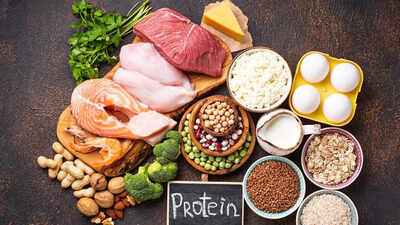
Protein is vital for building and repairing muscles, supporting hormone production, boosting immune function, and maintaining overall health. However, eating certain protein-rich foods in excess can pose risks. Processed meats, red meat, deep-fried meats, full-fat dairy, sweetened protein bars, and overreliance on animal proteins have all been linked to health problems, including heart disease, high cholesterol, diabetes, and even cancer. Too much protein can also strain the kidneys and contribute to weight gain when paired with unhealthy fats or sugars. Choosing balanced sources, including plant-based proteins, ensures you reap the benefits of protein without dangerous side effects.
The hidden dangers of common protein sources: Processed meats, red meat, and more
Here are examples of protein sources that can be problematic when consumed often or in large quantities:Processed meats

Processed meats, including sausages, bacon, ham, salami, and other cured or smoked varieties, are typically high in saturated fat, salt, and preservatives such as nitrates. Regular consumption has been linked to an increased risk of heart disease, high blood pressure, and certain cancers, particularly colorectal cancer. A large systematic review on PubMed confirmed that high intake of processed meats is significantly associated with elevated risks of several cancers, including colorectal, breast, and lung cancer, when comparing individuals with the highest versus lowest consumption levels.Red meat (in excess)

Frequent or large portions of red meat, such as beef, lamb, and pork, can increase cholesterol levels and raise the risk of cardiovascular disease, as well as certain cancers. The risk is influenced by fat content, particularly saturated fat, and cooking methods like frying or charring. Systematic reviews and meta-analyses on PubMed have consistently found associations between high red meat consumption and colorectal cancer, other cancers, and cardiovascular disease. Additionally, a study by the American College of Cardiology reported that unprocessed red meat is linked to elevated risk of CVD and diabetes, with processed meats showing an even higher relative risk.Deep-fried or over-crisped meats

Frying or charring meat can produce harmful compounds, such as acrylamide, heterocyclic amines (HCAs), and polycyclic aromatic hydrocarbons (PAHs), which have been linked to cancer risk. Deep-fried meats also add extra calories and unhealthy fats, including trans fats, making it harder to maintain a healthy weight. According to a study on Cancer.gov, high-temperature cooking methods like grilling, frying, and charring generate HCAs and PAHs, which have been shown in animal studies to contribute to cancer development. Limiting overcooked or charred meats can help reduce these health risks.Full-fat dairy products
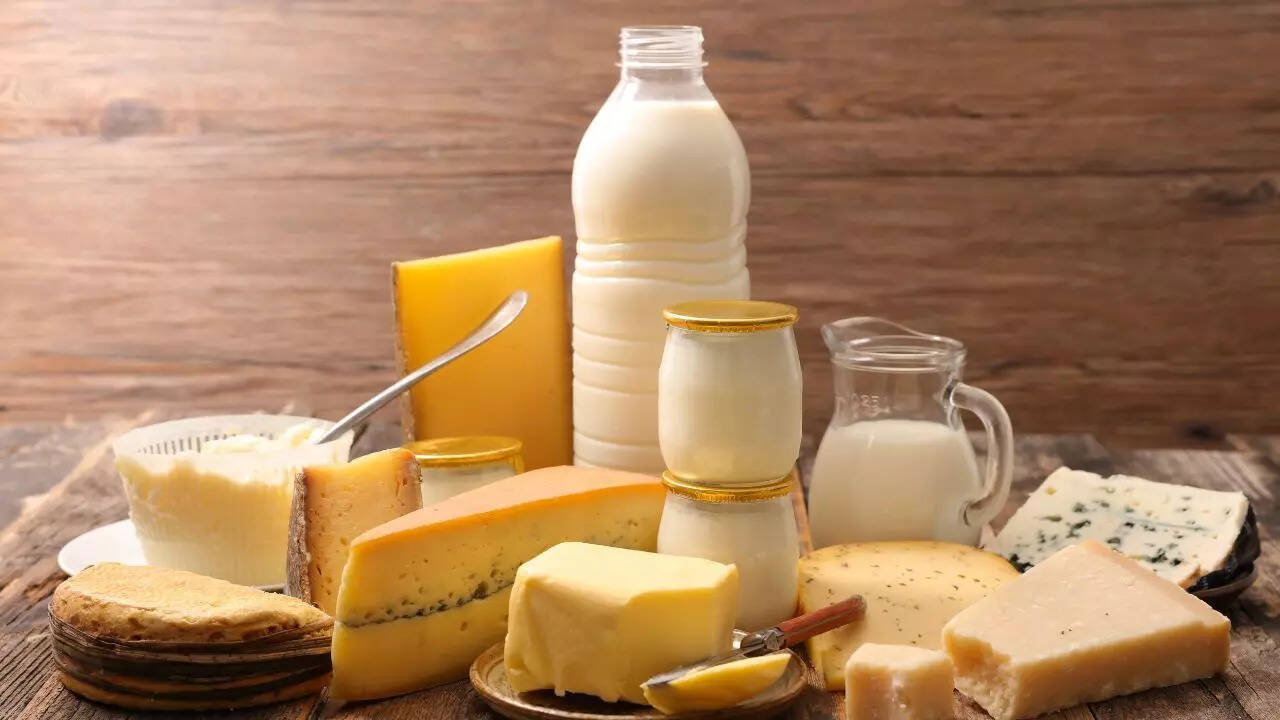
While dairy provides valuable protein and calcium, full-fat versions, such as cream, whole milk, certain cheeses, and butter, are high in saturated fat. Excessive intake of saturated fat is linked to raised LDL cholesterol and an increased risk of cardiovascular disease. A PubMed study examining dairy-derived saturated fatty acids found that higher intake was associated with an elevated risk of type 2 diabetes and metabolic syndrome in some groups, though the association was not consistent across all populations. This highlights the importance of moderating full-fat dairy consumption within a balanced diet.Overreliance on animal proteins in general

If most of your protein comes from animal sources, especially fatty or processed meats, you may miss out on essential fibre, antioxidants, vitamins, and minerals found in plant-based foods. Relying heavily on animal proteins also increases exposure to cholesterol, saturated fats, and potentially harmful compounds formed during cooking. Evidence from PubMed studies shows that diets high in animal protein and low in plant-based foods are associated with a greater risk of cardiovascular disease, type 2 diabetes, and certain cancers, highlighting the importance of balancing animal and plant protein sources for long-term health.Disclaimer: This article is for informational purposes only and does not constitute medical advice. Always consult a qualified healthcare professional before making any changes to your health routine or treatment.Also read | Ease arthritis pain by adding THIS powerful ingredient to your diet
[ad_2]
Source link